If you've been diagnosed with sleep apnea , you're likely familiar with CPAP machines. What you may not know is that oral appliance therapy offers another effective option, one that many patients find easier to live with long-term.
CPAP therapy uses continuous air pressure delivered through a mask to keep the airway open during sleep. Oral appliance therapy, meanwhile, uses a custom-fitted device to reposition the jaw and tongue, preventing airway collapse. The right choice depends on the severity of your sleep apnea and your personal comfort and lifestyle needs.
Understanding Sleep Apnea Treatment Options
Sleep apnea occurs when breathing repeatedly stops and starts during sleep, usually because the airway becomes blocked or collapses. Left untreated, it can cause chronic snoring and contribute to issues like fatigue, high blood pressure, and other health concerns. Fortunately, effective treatment is available, and Dr. Nicholas Ravon and The Dental Care Center in Van Nuys work with patients throughout the San Fernando Valley to find the option that fits their needs.
How CPAP Therapy Works
Continuous Positive Airway Pressure, or CPAP, is often considered the gold standard for treating moderate to severe sleep apnea. A CPAP machine delivers a steady stream of pressurized air through a mask worn over the nose or mouth, keeping the airway open throughout the night.
CPAP therapy offers certain clear benefits. It is highly effective for moderate to severe sleep apnea. Also, adjustable pressure settings on CPAP machines allow for treatment tailored to an individual’s specific needs. There are, however, certain considerations to keep in mind when considering CPAP therapy:
- The machines are bulky and uncomfortable for some patients.
- The need for a mask, tubing, and the machine can be cumbersome for travel.
- Some patients experience dry mouth, nasal congestion, or skin irritation.
- Given these challenges, some patients struggle to use it consistently.
How Oral Appliance Therapy Works
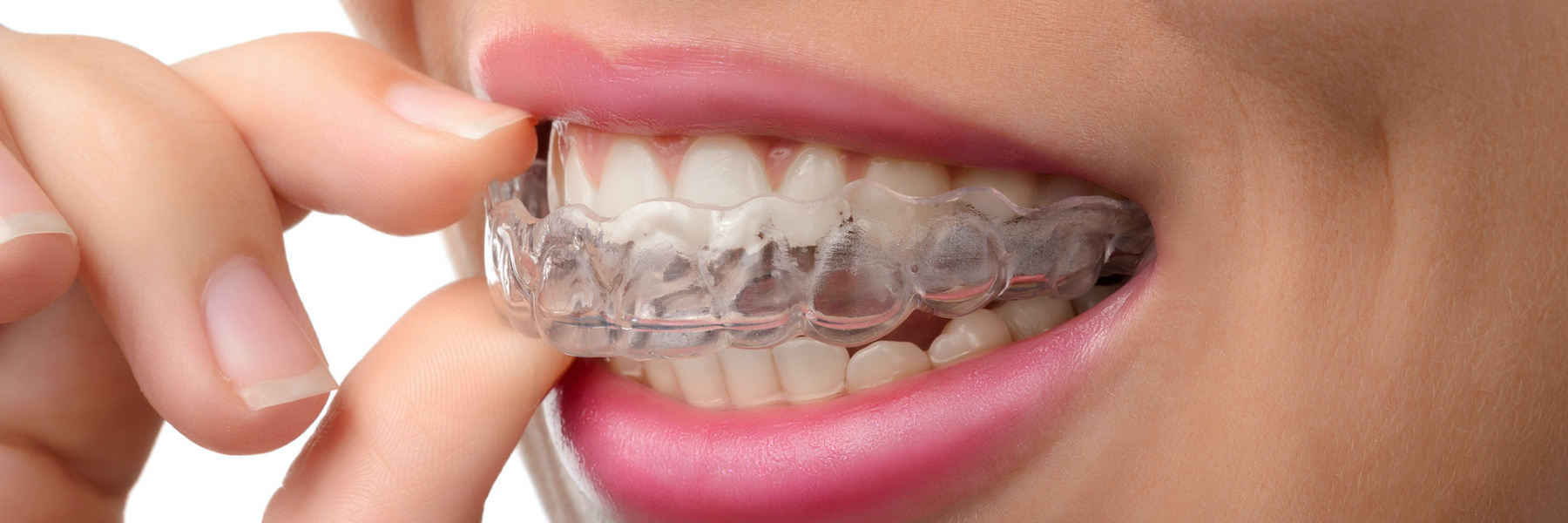
Oral appliance therapy takes a different approach. Rather than air pressure, it uses a custom-fitted device, similar in appearance to a mouthguard, to gently reposition the lower jaw and tongue to keep the airway open during sleep. Each appliance is designed specifically for the patient's mouth and bite, ensuring comfort and effectiveness.
The main benefits of oral appliance therapy include:
- Oral appliances are compact, quiet, and easy to travel with.
- Treatment does not require a mask, tubing, or machinery.
- It's more comfortable for patients who struggle with CPAP compliance.
- Customized design supports comfort and effectiveness.
Like CPAP, oral appliance therapy does present some drawbacks of its own:
- It’s generally best suited for mild to moderate sleep apnea.
- The device can cause minor jaw discomfort or bite changes in some patients, especially early on.
- The appliances require periodic adjustments to maintain optimal fit.
Which Treatment Is Right for You?
Selecting the right sleep apnea treatment depends on several factors:
- Severity of sleep apnea — Moderate to severe cases of obstructive sleep apnea often start with CPAP, though oral appliances may still be effective for some patients.
- Comfort and tolerance — If you've tried CPAP and found it difficult to use consistently, an oral appliance offers a more manageable alternative.
- Lifestyle — Frequent travelers or those who value a simpler nightly routine often prefer the portability of an oral appliance.
Can Oral Appliance Therapy Be Used with CPAP?
For some patients, combination therapy makes sense. An oral appliance can sometimes be used alongside CPAP at a lower air pressure setting, improving comfort and reducing the drawbacks of using either on its own. This approach is generally reserved for specific cases and requires input from both a sleep physician and an oral health provider.
The Diagnostic Process
Before recommending treatment, Dr. Ravon works alongside your physician or sleep specialist to review your sleep study results and understand the severity of your condition. This collaborative approach ensures your treatment plan is appropriate for your specific diagnosis, not just personal preference.
What to Expect with an Oral Appliance
If oral appliance therapy is the right fit, Dr. Ravon will take impressions or digital scans of your teeth to design a custom device. Most patients require a short adjustment period as they get used to wearing the appliance, and Dr. Ravon will schedule follow-up visits to fine-tune the fit and confirm the device is effectively managing your symptoms.
Frequently Asked Questions
H3: Is oral appliance therapy as effective as CPAP?
For patients with mild to moderate sleep apnea, oral appliance therapy can be highly effective. For severe sleep apnea, CPAP is generally considered more reliable.
H3: Does insurance cover oral appliance therapy?
Many medical insurance plans cover oral appliance therapy for diagnosed sleep apnea, though coverage varies by provider and plan. Our office can help you understand your specific benefits.
H3: How long does it take to get used to an oral appliance?
Most patients adjust within a few weeks, with some experiencing mild jaw soreness or increased saliva production.
Effective, Comfortable Sleep Apnea Treatment in Van Nuys, CA
If you're in Van Nuys, CA, and want to learn more about CPAP and oral appliance therapy and its many benefits, contact Dr. Nicholas Ravon and The Dental Care Center team to schedule a consultation and find a path to the relief you're looking for!